If your child learns the Quran online, what happens between lessons matters a great deal. You do not need to be an expert to help. A calm routine and a little encouragement go a long way.
Create a short, regular routine
Ten focused minutes most days is easier to keep than a long session once a week. Choose a time that fits your family, such as after school or before bed. In the UK, school days can be busy, so a fixed slot helps.
Prepare a quiet place
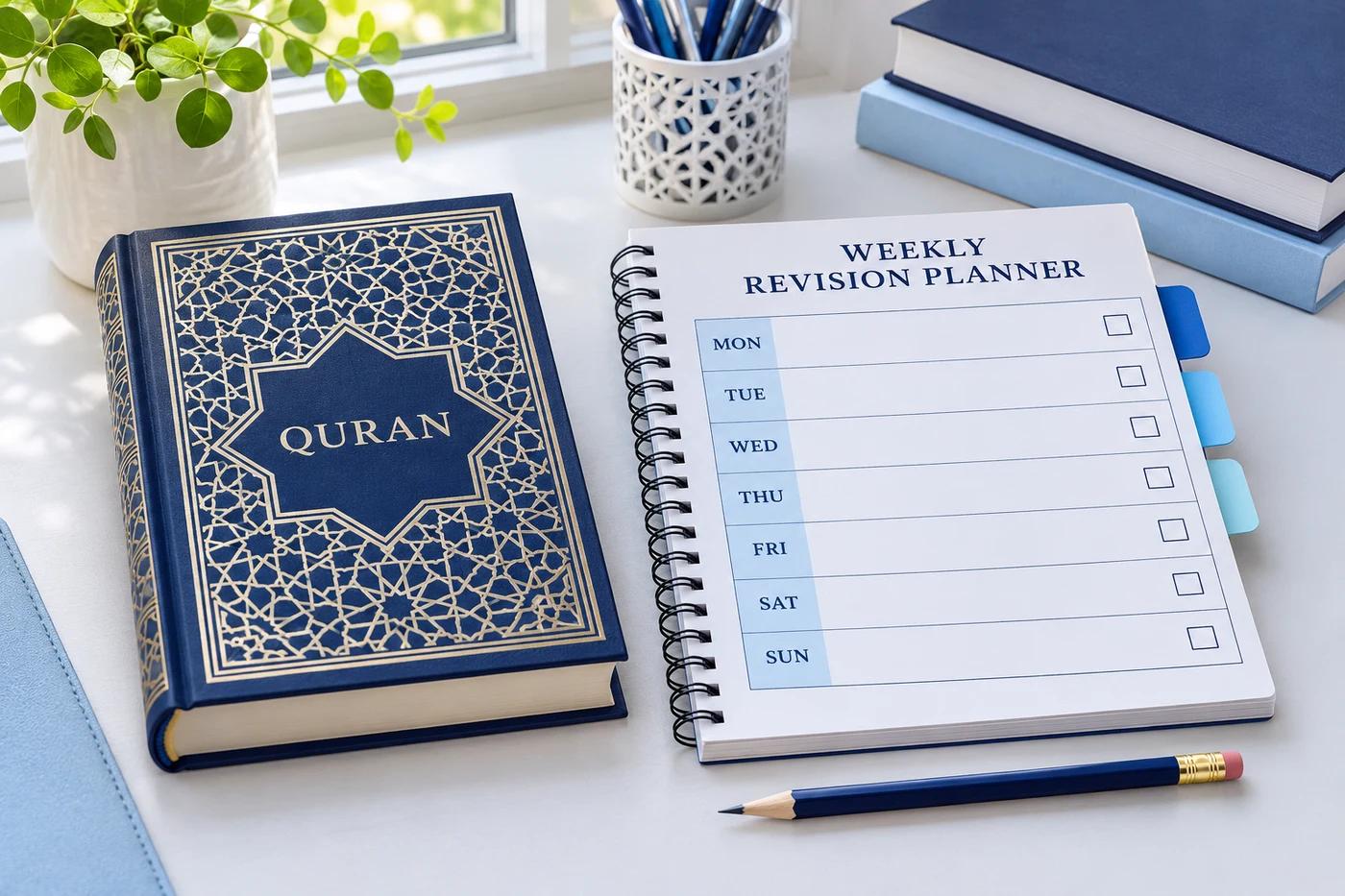
Choose a quiet spot with a good internet connection. Keep the Quran or Qaida, a notebook and a pen ready, so lessons start on time.
Be nearby for younger children
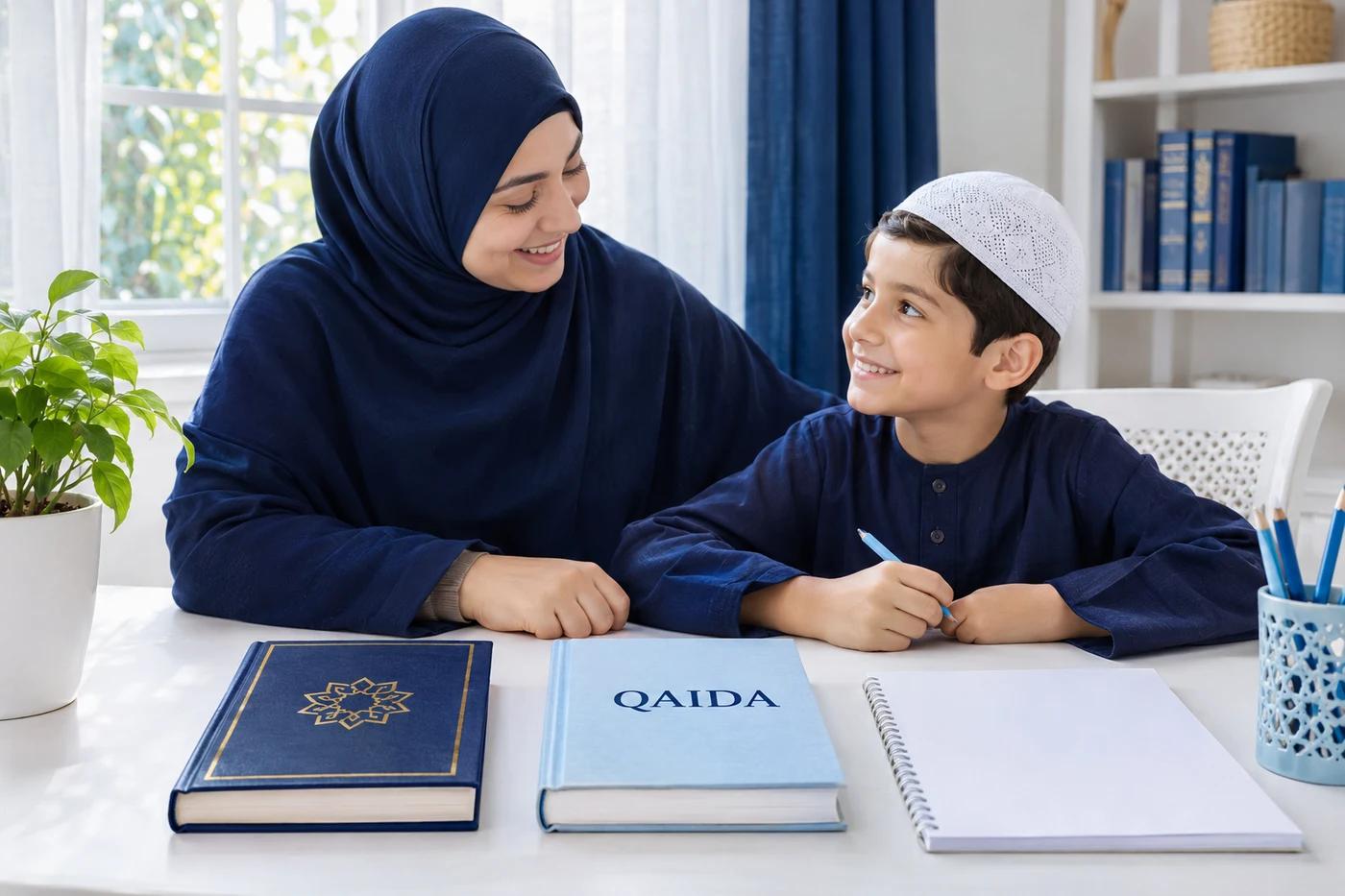
For younger children it helps to sit nearby during the lesson and the practice. You can listen without correcting the pronunciation yourself: leave that to the teacher and simply encourage your child to repeat what they were taught.
Keep it positive
Praise effort, not only results. Children learn at different speeds, and a patient attitude from home makes them more willing to read aloud.
Ask the teacher
Ask what to practise before the next class. Ask about the child's progress. A good teacher will be glad to tell you.
Questions to ask any online Quran teacher
- What qualifications does the teacher hold?
- Are lessons one-to-one?
- Can a parent sit in on lessons?
- How is progress shared with parents?
- Is there a free trial, and does it ask for card details?
At Quran with Shah Zaib, classes are one-to-one (see pricing) and live, and the trial class is free with no card needed. See our safeguarding statement and FAQ. Young beginners often start with Basic Qaida, and you can book a free trial or contact us with any questions.
Courses that help
Ready to start? Book a free trial or see plans and prices.